Key takeaways
- Start on the lowest speed and light pressure, and keep the bit moving; staying in one place creates heat.
- Do not use the drill on the skin or cuticle area unless you have been trained to, and avoid cutting into living tissue.
- Use a dust mask or a ventilated space, since filing creates fine dust; a small desk dust collector is a useful add-on.
- Do not use a drill on nails that are infected, painful, inflamed or broken at the nail bed, and see a doctor if there is any doubt.
- Keep the unit away from water, follow the charging instructions, and stop using it if the handpiece overheats or smells unusual.
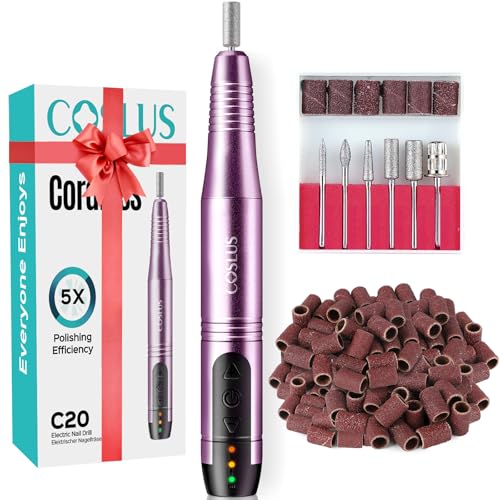
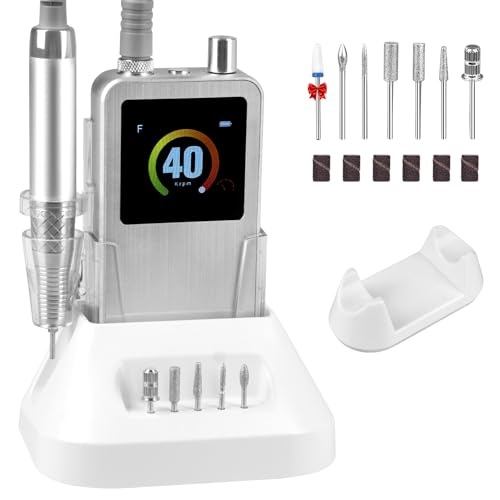
For home gel and acrylic shaping, a variable-speed 30,000 to 35,000 RPM electric nail drill from a brand such as Makartt or Belle is the realistic buy at under $150, either as a corded set with a foot pedal for desk use or as a rechargeable pen-style model for portability; salon-grade systems such as Medicool’s Pro Power line are in the premium tier, well above that cap, and are the step up for daily professional use.
Our top picks


As an Amazon Associate we earn from qualifying purchases at no extra cost to you.
What an electric nail drill is for
A manicure drill, also called an e-file, is a small rotating handpiece that holds interchangeable bits for shaping, buffing and removing product such as gel polish, builder gel, dip powder and acrylic. Makers list uses such as shaping, polishing, buffing and product removal. It is a tool for the nail plate and surrounding product, not a medical instrument. If you have a nail or skin problem, such as persistent discolouration, thickening, pain, an ingrown nail, a suspected infection, diabetes with reduced foot or hand sensation, or poor circulation, see a doctor or a podiatrist instead of filing it yourself.
A drill in the hands of a beginner can thin the nail plate or cause heat or friction burns if used with too much speed or pressure. Makers recommend starting at low speed and using light pressure, and some brands sell training guidance. Watching a tutorial from a licensed nail technician before you start is a good idea.
What the cap buys
Under this cap you will find many 20,000, 30,000 and 35,000 RPM units sold under brand names like Makartt and Belle. They typically include a handpiece, a controller or a charger, a few bits and a set of sanding bands. The premium tier, represented by Medicool, offers features like brushless motors with listed torque, long battery life and a retail professional focus. A premium unit is not needed for occasional home use, but it can be worth it for heavy use or for a nail technician. Individual prices are not quoted here because they vary by seller and bundle.
The specs that matter
RPM and speed control
RPM is how fast the bit turns. Home users rarely need the maximum, and a wide, smooth range with a low starting speed is more important than a high top number. Belle and Makartt both sell corded and cordless units in the 20,000, 30,000 and 35,000 RPM classes, and Medicool’s Pro Power line is sold as 30K and 35K models. Exact speed ranges, display types and low-end speeds differ by listing and version, so read the page for the unit you pick.
Forward and reverse
Forward and reverse rotation lets both right- and left-handed users work with the bit turning away from the skin. Most 30,000 and 35,000 RPM units list it, but confirm this on the exact model, since some entry units do not offer reverse.
Motor type and torque
Brushless or coreless motors are described by makers as quieter and smoother, and premium-tier lines such as Medicool’s Pro Power advertise brushless motors with a stated torque. Many budget listings quote watts or RPM but not torque, and wattage figures differ between listings. Torque tells you how well the bit keeps turning under pressure, and cheap drills can stall or vibrate when pressed. Keep pressure light regardless.
Corded or cordless
A corded desktop unit with a foot pedal and a controller box gives a steady supply and frees up one hand. Makartt’s corded kits are typically listed with a controller, handpiece, power cord, foot pedal, handpiece holder and a set of bits and sanding bands. Cordless units are easy to move and store. Makartt and Belle both list cordless units with stands and USB or low-voltage charging, and Medicool advertises a long battery life on its premium portable models. Battery times differ between listings and with the speed used, so treat them as the maker’s figures and check the exact model.
Bit size
Most nail drills at these speeds take the common 3/32 inch shank, but check the listing of the exact model before buying extra bits. That standard shank matters because it gives you access to a wide range of replacement bits and sanding bands.
At a glance
| Drill | Best for | Stated specs | Limits |
|---|---|---|---|
| Makartt corded kit (Genesie) | Desk use at home | Listed as a corded 35,000 RPM kit with controller, foot pedal, bits and sanding bands | Tied to an outlet |
| Makartt Nouvella | Desk or portable use | 35,000 RPM class, rechargeable, desktop and portable use listed | Check listing for kit contents |
| Makartt cordless pen-style | Beginners, storage stand | 35,000 RPM class, LED display and stand on some listings | Battery life varies by listing |
| Belle 30,000 RPM corded | Steady desk drilling | 30,000 RPM class, foot pedal, speed control box | Corded |
| Belle 35,000 RPM brushless | Faster work, quieter running | Maximum 35,000 RPM; brushless motor on some listings | Specs differ between listings |
| Belle cordless 905 | Travel and touch-ups | Battery powered cordless unit; check the listing for speed and battery | Battery life not seen |
| Medicool Pro Power 30K / 35K | Professional daily use | 30K and 35K RPM models; the maker advertises brushless motors and cordless options | Premium tier, above this cap |
Where product pages for the same brand list different specs, listings differ by version, so check the one you are buying.
Best value for home use: Makartt and Belle
Makartt sells corded kits that include a foot pedal, bits and sanding bands, which makes a complete beginner set, and cordless models with a stand and display. Belle sells corded units with foot pedals and cordless versions, and several of its listings emphasise variable speed from low values upward. Both brands sell mainly through online listings, so the exact kit contents, wattage and warranty differ from page to page. Read the description for bit shank size, speed range and what is in the box before buying.
Step up for heavy use: Medicool Pro Power
Medicool sells its Pro Power line in 30K and 35K versions, with corded and cordless options, and positions it for professional daily use. Specifications such as torque, battery life and handpiece weight differ between models, so read the maker’s page for the exact one. These are premium-tier tools, and a strict cap will exclude them. They matter mostly for people who use a drill for hours every day.
Bits and sanding bands
Most kits include a handful of bits and sanding bands. A fine to medium sanding band is generally gentler for natural nails. Keep bits clean, replace sanding bands after each client or session, and store bits dry. Never use a bit that is chipped or rusted. If bits are shared between people, they need cleaning and disinfecting as instructed by a licensed professional, or should be replaced.
Technique and safety notes
- Start on the lowest speed and light pressure, and keep the bit moving; staying in one place creates heat.
- Do not use the drill on the skin or cuticle area unless you have been trained to, and avoid cutting into living tissue.
- Use a dust mask or a ventilated space, since filing creates fine dust; a small desk dust collector is a useful add-on.
- Do not use a drill on nails that are infected, painful, inflamed or broken at the nail bed, and see a doctor if there is any doubt.
- Keep the unit away from water, follow the charging instructions, and stop using it if the handpiece overheats or smells unusual.
Pick X if…
| If you… | Pick | Why |
|---|---|---|
| Do your own gel manicures at a desk | Corded Makartt Genesie or Belle with a foot pedal | Steady power, hands free |
| Want to move around or travel | Cordless Makartt or Belle | Rechargeable, compact |
| Are a total beginner | A model with a low start speed and a stand | Easier to control |
| Work as a technician every day | Medicool Pro Power or similar premium unit | Built for long use |
| Have nail or foot health concerns | Professional care from a doctor or podiatrist | A drill is not a treatment |
Alternatives
- Manual files and buffers: a glass or crystal file and a buffer block give a gentler option for natural nail shaping without any motor.
- Professional manicure: for removing hard gel or acrylic, a nail technician is the safer route if you are not confident.
- Last-generation models: a previous version of a brand’s e-file typically shares the core design.
Frequently Asked Questions
What RPM do I need for a nail drill?
More important than the top speed is a smooth range with a low starting point. Most home users work comfortably at the lower and middle part of a 30,000 to 35,000 RPM range, and many beginners start lower still. Maximum speed is not a measure of quality.
Is a cordless drill good enough?
For occasional use, yes. Cordless models offer convenience, but battery life varies widely between brands and with speed, and premium models usually advertise longer runtimes. A corded unit avoids battery limits.
Can I use a nail drill on natural nails?
Makers list shaping and buffing among their uses, but natural nails thin easily. Use a fine band, a low speed and a light touch, or use a manual file instead. Stop if the nail feels hot or sore.
What size bits fit?
The 3/32 inch shank is the common standard for nail drills at these speeds. Check the product page of the model you choose before buying extra bits.
Is it safe to remove gel polish with a drill?
Many people do, but it requires control. Thin the product on top with a sanding band at low speed, then finish with a file, and never grind down to the natural nail. If you are unsure, a nail technician can do this for you.
How do I keep my drill clean?
Brush off dust after each use, store bits dry and replace sanding bands often. Follow the manual’s cleaning instructions for the handpiece, and do not submerge the unit in liquid.