Key takeaways
- Stated heat control: is there an automatic shut-off, and what temperature behavior does the maker describe?
- Certification or safety marks: only count them if the maker states them, and read what they cover.
- Intensity range: models with a gentle low setting suit sensitive users.
- Coverage: lower back only, or the full back?
- Warranty and return terms: motors can fail, so a clear warranty is a real feature.
- Manual availability: a clear manual with time limits is a good sign.
For most people who want relief from everyday back tension at home, a shiatsu-style seat or chair-pad massager with optional heat is the strongest type to look for at under $150, a handheld percussion or wand massager suits those who want to reach a specific spot themselves, and a plug-in full-chair pad or a manual tool such as a massage cane suits those who want the simplest option. This guide is organized by type and by features first, so you can compare any specific model’s own spec sheet against it.
Our top picks



As an Amazon Associate we earn from qualifying purchases at no extra cost to you.
First, what a back massager can and cannot do
A back massager is a comfort product. It can feel good, help you relax and give temporary relief to tight muscles after a long day, but it is not a medical device and not a treatment for a condition. If you have back pain that is severe, lasts more than a few days, follows an injury or comes with numbness, tingling, weakness, fever or loss of bladder or bowel control, see a doctor rather than relying on a device. People who are pregnant, have a pacemaker or other implanted device, osteoporosis, a spinal condition, a bleeding or clotting disorder, nerve problems, reduced skin sensation or diabetes, or who are on blood thinners should check with their physician before using a massager, especially one with heat or deep kneading.
What the cap buys
Back massagers span a wide price range: budget handheld wands, mid-range shiatsu pads, and premium full-chair or zero-gravity recliners. A budget of under $150 covers the first two tiers comfortably. Full massage chairs, which are the premium tier, are far above the cap, and it is best to say so plainly: a massage chair is not an option at this budget. Individual prices differ by seller and are not quoted here. Specific model names are deliberately not ranked here because lineups are refreshed often and details vary from one version to the next; the spec sheet of the exact model is the thing to read.
Makers worth looking at
Several established consumer brands sell shiatsu pads, neck and back massagers and handheld wands in this tier, including Renpho, Snailax, Comfier and Naipo for shiatsu-style pads and pillows, and Therabody, Hyperice and Renpho for handheld percussion devices. Treat the brand name as a starting point only: open the maker’s own page for the specific model, confirm it is still sold, and read what it states about nodes, heat, timers, automatic shut-off, cord or battery, and the manual’s cautions. Where a maker’s page and a retail listing disagree, listings differ, and the maker’s manual is the authority. Choose a model that states a clear timer and an automatic shut-off if you plan to use heat, and do not rely on a heated unit if the manual does not describe how the heat is controlled.
The main types
| Type | How it works | Best for | Limits |
|---|---|---|---|
| Shiatsu seat or back pad | Rotating nodes that knead the muscles beside the spine; often with optional heat | Seated use on a sofa, car seat or desk chair | Fixed position; strap or backrest needed; can be bulky |
| Full-back pillow or cushion | Smaller shiatsu unit that sits behind the back or neck | Targeted relief and travel | Smaller coverage |
| Handheld percussion or vibrating wand | You hold it and press it on the muscle | Reaching specific areas on demand | Hard to reach the middle of your own back |
| Heating pad with vibration | Warmth plus gentle vibration | Light, relaxing sessions | Less intense; follow heat-safety guidance |
| Manual tools (cane, roller) | You apply leverage | Strict budgets, no power needed | Requires effort and some mobility |
The features that matter
Node design and rotation
Shiatsu units use nodes or balls that rotate and knead. Look for a spec sheet that states the number of nodes, whether they can reverse direction and whether the nodes can be adjusted to different intensity levels. Most users find that adjustable intensity is more important than the number of nodes, since sensitivity varies from person to person and from day to day.
Heat
Heat can make a massager feel more soothing. Safety matters here. Check the manual for how the heat works, whether the maker lists automatic shut-off, and how long continuous use is advised. Follow the manual’s time limits, do not fall asleep on a heated unit, and do not use heat over areas with reduced sensation, on infants or on anyone who cannot tell you if it is too hot. If the manual does not state an auto shut-off, assume the unit will not stop on its own and use a timer.
Strap, fit and portability
For a seat unit, look for adjustable straps that hold it to the back of a chair, a carrying handle and a manageable weight. A unit that slides around is unpleasant and may press on the wrong areas. Measure your chair back. Some units are designed for the lower back and others for the whole back, so check the coverage described.
Intensity settings, timers and controls
Useful features include multiple intensity levels, a timer, simple controls that can be reached while seated and a remote or a wired controller. An automatic timer is a good safeguard, and a clear off switch is more important than extra modes.
Power and cord
Corded models give steady power and are common in the shiatsu category. Cordless handhelds offer freedom but have limited battery time, so read the stated battery hours and charging method. Use only the supplied adapter and cable, and stop using the unit if the cord or plug is damaged.
Noise and covers
A seat massager is typically used in a quiet room, so noise matters. Removable or washable covers make upkeep easier. Follow the care label, and do not machine wash a unit with motors unless the maker explicitly says the cover is removable.
Pick X if…
| If you… | Choose | Why |
|---|---|---|
| Sit at a desk for long periods | Shiatsu back pad with straps and a timer | Fits a chair and runs while you work |
| Want a mild, warming effect | Pad with heat and a clearly stated shut-off | Gentler than deep kneading |
| Need to target a single knot | Handheld percussion or wand unit | You control where it goes |
| Travel often | Compact pillow-style or rechargeable unit | Smaller and lighter |
| Have a very tight budget | Manual tool such as a cane or roller | No electronics |
| Have a medical condition | Ask your physician first | A device is not a substitute for care |
How to read a listing
When you compare models, look at the following:
- Stated heat control: is there an automatic shut-off, and what temperature behavior does the maker describe?
- Certification or safety marks: only count them if the maker states them, and read what they cover.
- Intensity range: models with a gentle low setting suit sensitive users.
- Coverage: lower back only, or the full back?
- Warranty and return terms: motors can fail, so a clear warranty is a real feature.
- Manual availability: a clear manual with time limits is a good sign.
Be wary of claims that a massager will cure pain, fix posture or treat a condition. Makers should not promise medical outcomes, and a listing that does deserves skepticism.
Using a back massager sensibly
Start on the lowest intensity and the shortest time. Keep sessions short, usually only as long as the manual says, and stop if you feel pain, numbness, tingling or dizziness. Do not use it directly on the spine, on bruised, swollen or broken skin, or over areas of recent injury or surgery. Do not use it while driving. Keep it away from water and from children and pets. Let the unit cool before folding it away, and unplug it after use. If you are unsure whether it is suitable for your body, talk to a physician or physiotherapist.
Alternatives
- Massage cane or foam roller: low-cost, no electronics, and you control the pressure.
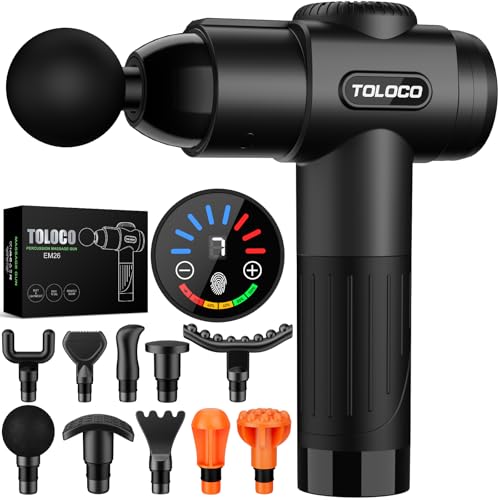
- Massage gun for specific muscles: a percussion device targets muscles such as the upper back and shoulders, though it is not designed for use directly on the spine.
- A professional massage or physiotherapy session: for persistent problems, a trained professional can assess the cause, which no consumer device can do.
- Stretching and movement breaks: a regular routine of moving away from the desk often does as much for stiffness as any device.
Frequently Asked Questions
Are shiatsu back massagers safe to use every day?
Many people use them daily for short sessions, but the answer depends on your health and the model. Follow the manual’s time limits, start gently and stop if anything hurts. Check with a doctor if you have a medical condition.
Does heat make a back massager better?
Heat can make it feel more relaxing, but it adds a burn risk if misused. Look for a stated automatic shut-off, follow the time guidance, and do not use heat on areas where you cannot feel temperature well.
Can I use a massager on my lower back?
Many units cover the lower back, but check the description for coverage and the manual for any warnings. If you have lower back pain after an injury, or with leg numbness or weakness, see a doctor first.
Is a shiatsu pad better than a handheld unit?
They suit different jobs. A pad works while you sit and covers a broad area; a handheld lets you choose the spot, but you may struggle to reach the middle of your back. Some people own both.
Can a back massager replace a massage therapist?
No. A device gives comfort at home, while a therapist can assess, adapt pressure and respond to your needs. For ongoing pain, professional assessment is the better path.
Who should avoid using a back massager?
People with implanted devices such as pacemakers, pregnancy, blood clotting problems, osteoporosis, skin conditions or reduced sensation should ask their doctor before using one, and the manual may list further cautions. When in doubt, ask.